ctlawtribune.com


Liquor Law:
Trendowski & Allen

Dental Law:
Meehan, Meehan & Gavin

ERISA Law:
Moukawsher & Walsh

Western Massachusetts

Alekman DiTusa

Business Litigation:
Hurwitz, Sagarin, Slossberg & Knuff LLC

Securities Arbitration:
Law Offices of Howard Rosenfield

Professional Responsibility Law:
Howard, Kohn, Sprague & Fitzgerald

Litigation:
Stanger & Arnold
info@stangerlaw.com

Immigration Law:
Leete Kosto & Wizner LLC

Child Sexual Abuse Defense:
Law Offices of Damon Kirschbaum

Monday, November 9, 2009

Images

Ward_Robert_110909
Law Tribune File Photo
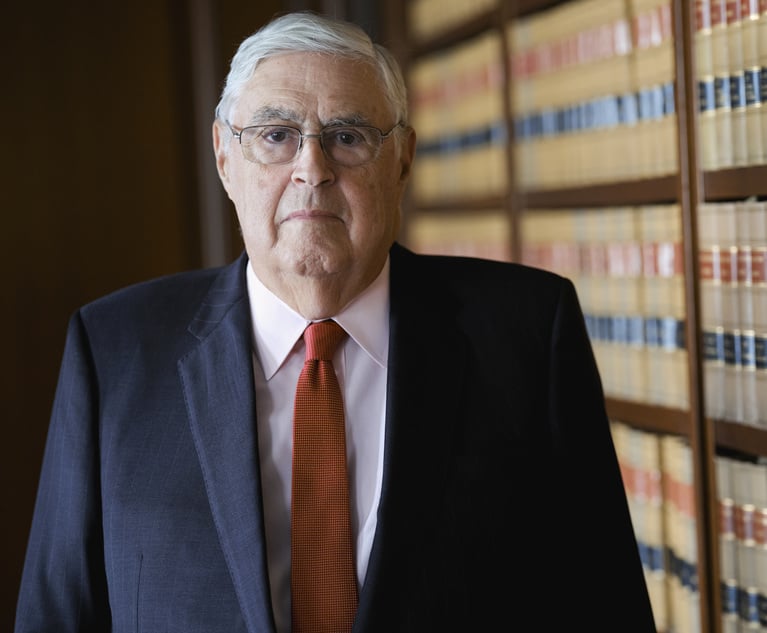
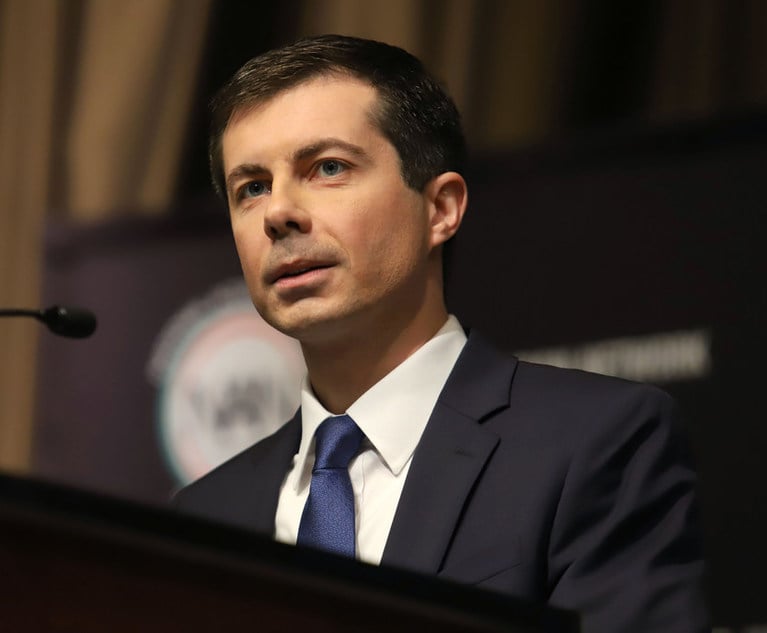
Department of Motor Vehicles Commissioner Robert Ward said marshals seeking fresh addresses for defendants in civil cases must make requests in writing or use Internet data bases.

Lawyers May Find It Harder To Serve Papers

DMV won’t field marshals’ address requests by phone

Up until last month, state marshals made heavy use of a small room in the Department of Motor Vehicles in Wethersfield when they phoned the Law Enforcement Communications office for people’s last known addresses.

Marshals, and the lawyers they serve papers for, needed to have fresh addresses to make legal service on defendants in civil cases, and to properly execute domestic restraining orders.

But in an Oct. 2 letter to the State Marshal Commission in Hartford, DMV Commissioner Robert M. Ward announced that his agency “will no longer be providing telephone access to the State Marshals for department information.”

The letter stated that marshals would have to send in a written form and a $20 fee to check defendants’ last known addresses. Ward suggested that marshals obtain addresses through commercial Internet databases “such as Choice Point and R.L. Polk services.”

Lawyers facing a statute of limitations deadline suddenly had a new hurdle.

“We received a number of complaints from our members, saying they couldn’t find people they had to serve,” said Neil Ferstand, executive director of the Connecticut Trial Lawyers Association.

“This could become a real problem for any attorney engaged in litigation,” said New Haven Marshal Robert Miller, president of the Connecticut Marshals Association.

State marshals are independent contractors, licensed and regulated by the State Marshal Commission, and limited to a fixed number of about 240 positions statewide, apportioned by county. After the county sheriff system was abolished in 2000 by constitutional amendment, civil-process-serving deputies were “grandfathered” into the state marshal system, under the executive branch’s Department of Administrative Services. (An entirely separate force of Judicial Marshals are employees of the Judicial Branch, and perform court security and prisoner transport duties.)

Sharp Pencil Cuts

Ward said the decision to stop accommodating the marshals was made following a DMV review of its services to the public after “recent staff reductions.” The DMV apparently regarded the phone help as a free service it was providing without legally being required to do so.

By statute, however, the DMV commissioner plays a key role in the task of serving potential defendants in many civil cases. Connecticut General Statute 52-62 makes the DMV commissioner the official agent for all out-of-state motorists using the state’s roads. A plaintiff can serve the DMV commissioner by registered mail in order to execute legal service on an out-of-state motorist in a negligence case. A Connecticut resident who has moved out of state can be served the same way.

Miller, as president of the state sheriff’s association, has been trying to negotiate a solution for obtaining “last known addresses” from the DMV. He said commissioner Ward has suggested giving lawyers the right to obtain defendants’ addresses from the DMV upon presentation of their juris identification number and confirmation that their business is official.

Miller said it is important for lawyers and marshals to have access to a Connecticut defendant’s last known address if he or she cannot be located and served.

“If we cannot locate the defendant, we can serve a copy of the writ, summons and complaint by certified mail to the last known certified address,” said Miller. However, he emphasized, “it has to be the last known address. If the week before, or the day before he registered a vehicle at a new address, that becomes the address we have to mail to.”

Time Essential

Before Oct. 15, when the DMV stopped answering marshals’ requests for license information, marshals like Miller found the service invaluable. In an interview, he recounted how important it was to be able to quickly confirm a vehicle’s registered owner.

“If we had to seize a car or truck – a registered vehicle – we can’t write in to Motor Vehicles. I’m sitting in a construction site, and have to seize a bulldozer, should I have to write in? The bulldozer could be in Massachusetts the next day—or by that night.” •

 |  About Law.com  |  Customer Support  |  Reprints  |  Privacy Policy  |  Terms & Conditions
 |  Copyright 2009. ALM Media Properties, LLC. All rights reserved.